BLOG POST: WHAT’S ACTUALLY WORKING IN POP-UP RETAIL IN 2026
Pop-up retail in 2025 was about proof, not novelty. Five trends shaping 2026 activations, with examples from high-footfall UK retail environments.
OVERVIEW
The most effective activations use physical retail as a commercial testing ground, combining experience, data and speed to inform smarter growth decisions. Those same behaviours are now setting the pace for pop-up strategies in 2026.
With 25 years operating across UK retail environments, here is what stood out in 2025 and what brands should actively build into their pop-up strategies in 2026.
1. Phygital experiences that support decision-making
Phygital retail only works when technology supports purchasing decisions, not when it distracts from them.
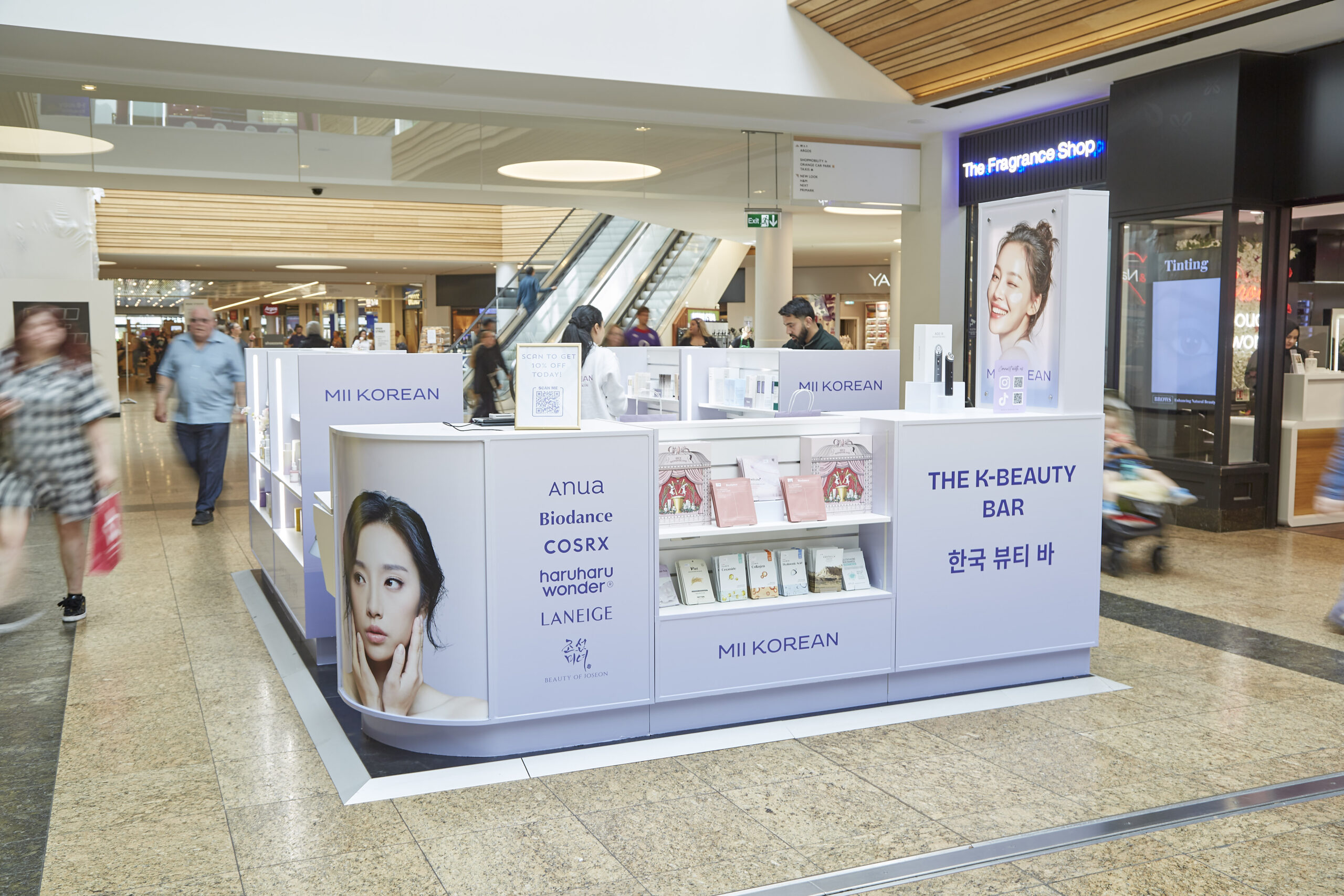
- Brand: Mii Korean
- Venue: Meadowhall
At Meadowhall, Mii Korean paired a Rock Up and Pop Up kiosk with live skin-scanning technology, delivering real-time product recommendations supported by trained brand ambassadors. The result was a pop-up that reduced uncertainty at the point of purchase. Shoppers were not just browsing. They were actively diagnosing, learning and buying within a single interaction.
2. Infotainment pop-ups that engage families
Educational brands are outperforming expectations when pop-ups are designed as interactive environments, not retail counters.
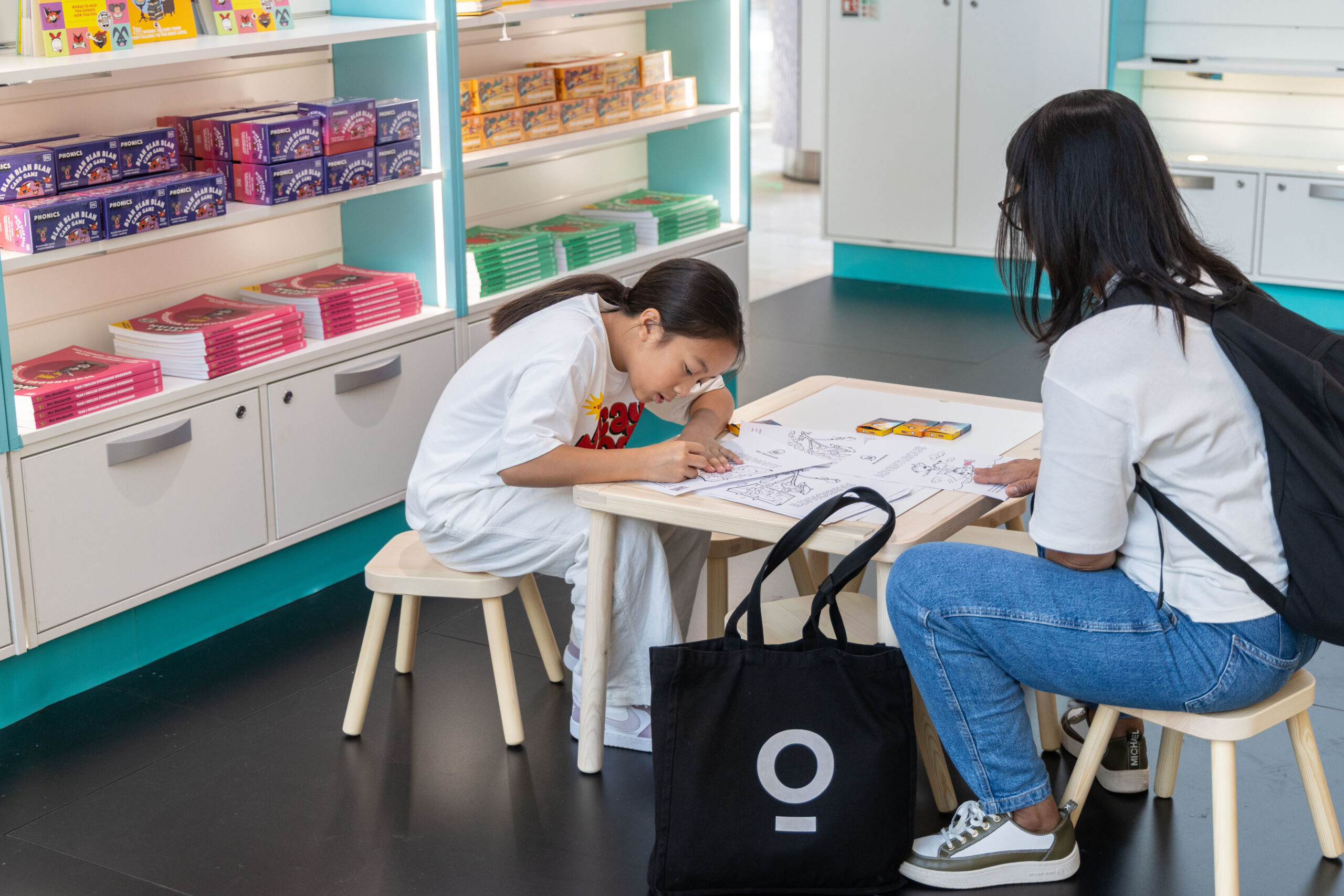
- Brand: Mrs Wordsmith
- Venue: Westfield London
Mrs Wordsmith created a space with seating, screens and guided activities that encouraged children to engage while parents observed value in real time. The pop-up delivered reassurance first, with transactions following naturally.
3. Pop-ups as a low-risk UK market expansion
For international brands, pop-ups have become a preferred route to expand into the UK.
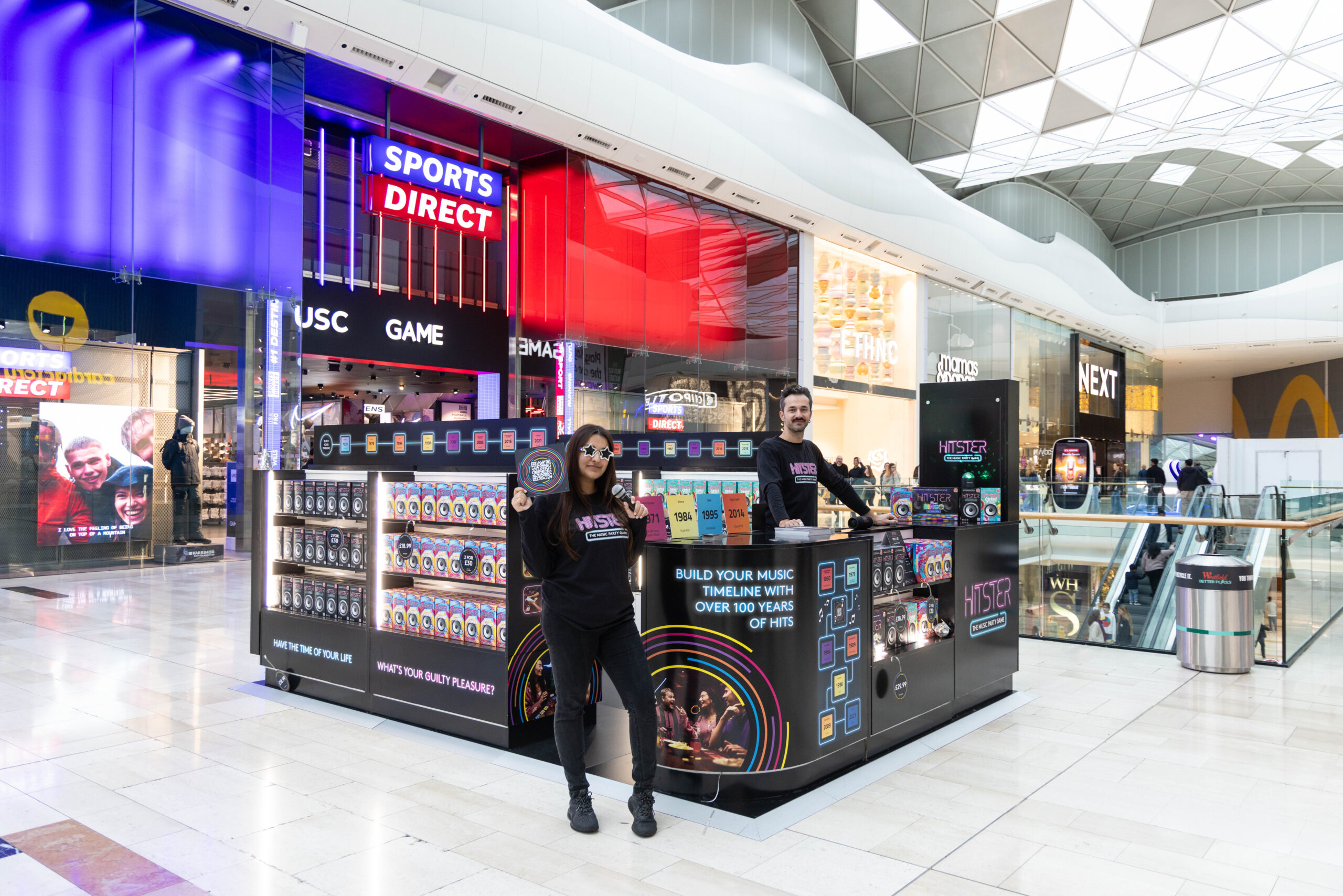
- Brand: Hitster (Jumbo Group)
- Venues: Westfield London, The Trafford Centre
In winter 2025, Hitster activated in high-footfall shopping centres to test, trade and learn audience response and product resonance before committing to wider rollout. Familiar retail environments removed barriers for new customers, while short-term format limited risk.
4. Event-led pop-ups that capture live demand
Timing remains one of the strongest performance drivers in physical retail.
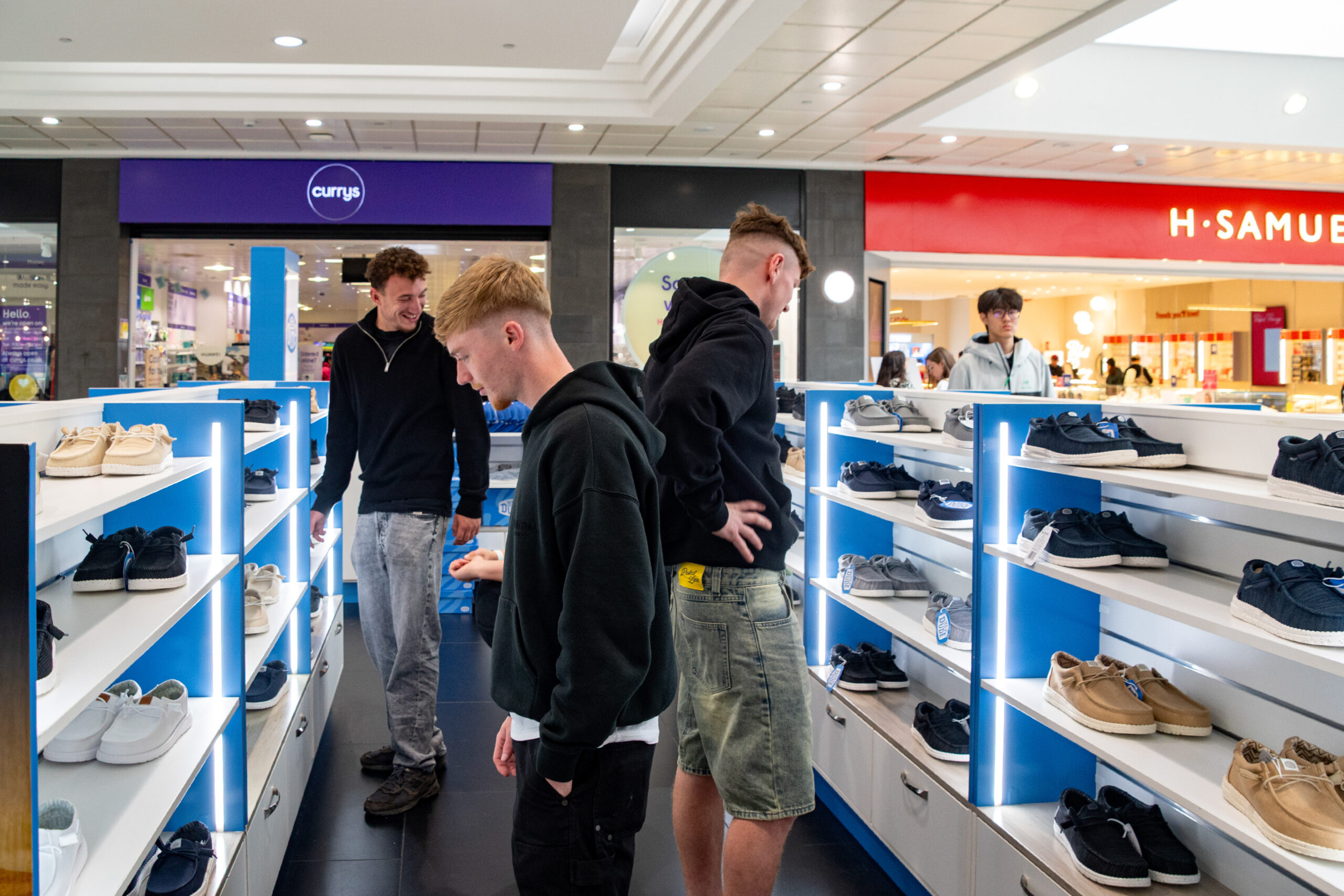
- Brand: Hey Dude
- Venue: Manchester Arndale
Hey Dude activated during the Lewis Capaldi tour period, aligning product visibility with an audience already primed to spend. The mid-mall pop-up capitalised on cultural momentum rather than creating it.
5. Seasonal demand calls for multiple touchpoints
Festive pop-ups have evolved over the years and here’s the latest format that’s delivering real outcomes.
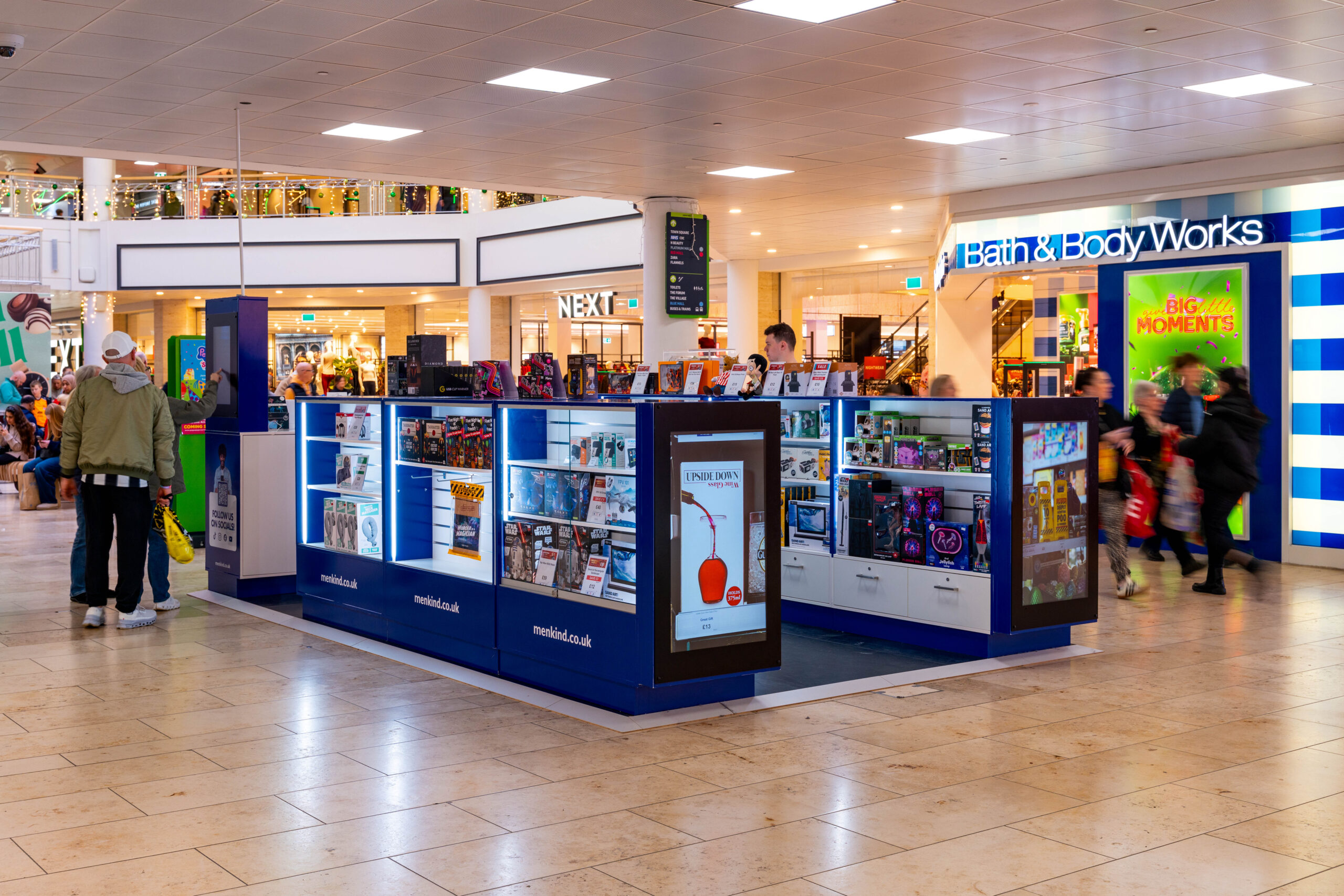
- Brand: Menkind
- Venues: Lakeside Shopping Centre, The Trafford Centre, Metrocentre
Brands are increasingly using mid-mall spaces alongside permanent stores to extend seasonal ranges, improve visibility and redirect traffic back to in-line units, particularly during peak trading periods.
Here’s what brands say..
Bonus: physical retail remains the proof point
Across the UK, pop-up retail continues to grow, not as a trend but as a validation tool.
Brands are using physical space to test faster, learn earlier and scale with confidence, carrying the playbook they refined in 2025 into 2026 activations. When execution, compliance and location align, short-term retail delivers long-term clarity for the year ahead.
The common thread: Rock Up and Pop Up
Across categories, formats and locations, the same principle applies:
When pop-ups are delivered end-to-end, with the right space, design, compliance and operational support, they move from experimentation to measurable growth.
For venues, this matters too. When retailers perform well, venues benefit from stronger footfall, dwell time and commercial outcomes. [See what this means for venues]
Planning your next pop-up or refining your 2026 retail strategy?
Get in touch: marketing@spaceandpeople.co.uk
Learn more about how physical retail trends in 2025 (and 2026) here:
The Power of Retail Pop-Ups: Why Temporary is the New Permanent
Retail’s New Era